
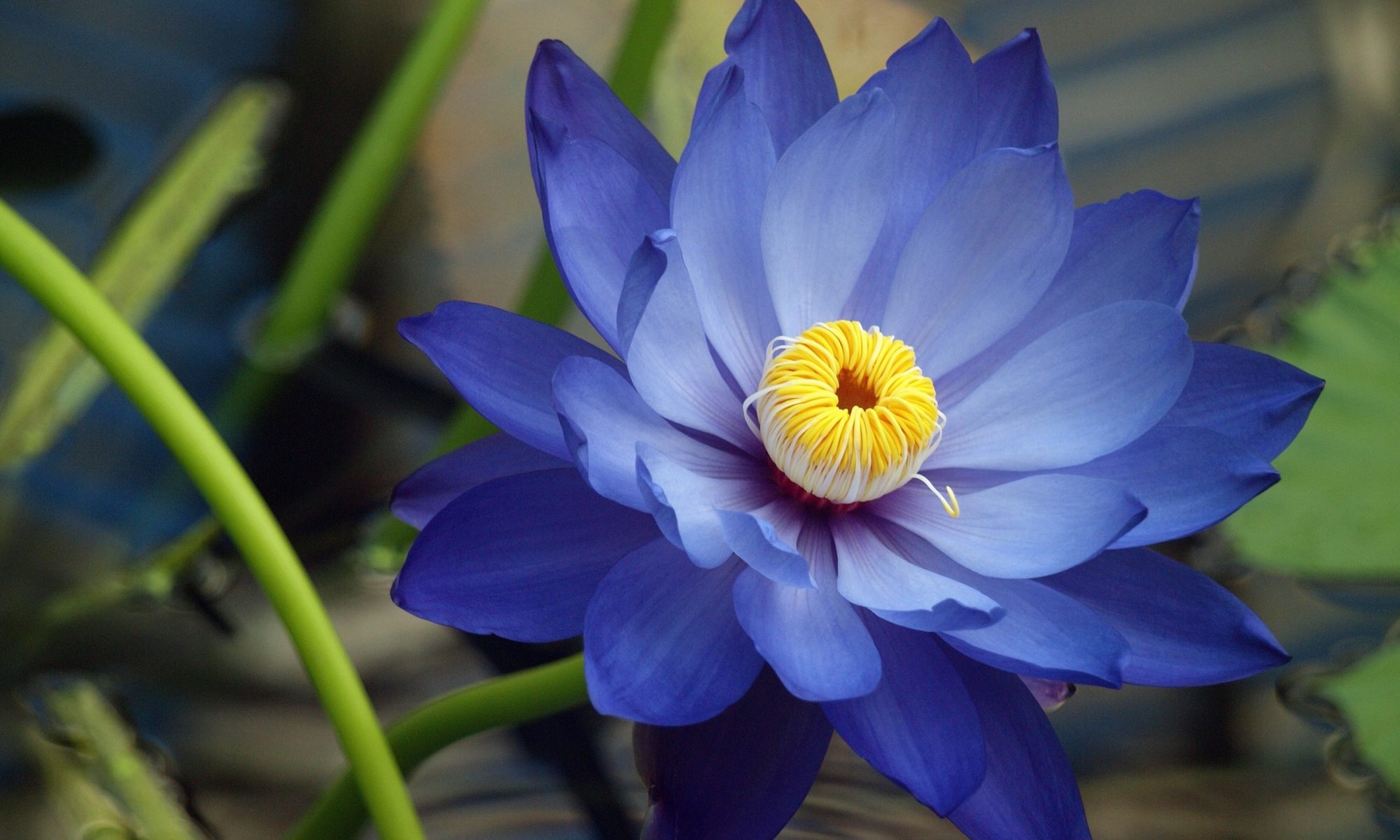
Blue Lotus (Nymphaea caerulea), also known as blue Egyptian lotus, blue water lily, and sacred blue lily is a safe, legal and ancient crown and heart opening medicine.
We source the highest quality organic Blue Lotus and will ship it to you as part of the Pre-journey container. This medicine will support the cultivation of your endogenous DMT and enhance meditation and practice during our monthly container and journey to Bhutan.
Blue Lotus has been the medicine of choice of the royals since ancient times from India to Egypt and beyond. She is a living portal, once accessible only the “elite”, she’s making her way into modern culture to support our journey.
Blue Lotus is a powerful alley. Known as the flower of the Gods. She invokes—Ecstasy. Awakening. Orgasmic. Awe.
In classical Ayurveda, Blue Lotus is tridoshic — balancing to all constitutions — and honored as a vajikarana: an aphrodisiac and elixir of rejuvenation.
— Dr Nibodhi Hass
Modern science has discovered psychoactive compounds within her petals Nuciferine & Apomorphine — both known to increase dopamine and inspire states of blissful calm and gentle euphoria.
Blue Lotus may support relief from anxiety, insomnia & tension, heart and third eye activation sensual and emotional awakening meditation, sleep & dream work pain and stress relief.
According to ethnobotanical research, Blue Lotus contains aporphine alkaloids, primarily nuciferine and apomorphine, compounds that have been studied for their mild psychoactive and anti-anxiety, relaxant properties.
Traditional uses include
- Supporting deeper meditation states
- Enhancing dream recall and lucidity
- Promoting heart-centered awareness
- Fostering a sense of calm alertness
More recent studies share that Blue Lotus was traditionally prepared as a tea or through wine infusion to access its subtle properties.
Simple Blue Lotus Practice
If you’d like to explore working with Blue Lotus before our journey:
- Source high-quality Blue Lotus flowers or extract from a sustainable source (we love Anima Mundi’s Blue Lotus for easy access). We’ll be working with organic Biodynamic Blue Lotus hand harvested on Maui (among other varieties) in our pre-journey container.
- Prepare as a tea (2 grams steeped in hot water for 5-10 minutes)
- Find a quiet space where you can connect with the spirit of this medicine
- As you sip slowly, bring awareness to your heart center
- Notice any subtle shifts in perception or relaxation
This gentle introduction offers a small glimpse of how we’ll be working with plant allies to support our consciousness exploration in Bhutan.
Note: Blue Lotus is legal in most countries but please check your local regulations. While traditionally considered safe, consult with your healthcare provider before working with any botanicals, especially if you have medical conditions or take medications.
Significance of the Lotus in Buddhism
The Lotus (Sanskrit: Padma; Tibetan: Pema) is a symbol with many dimensions. It is a flower that blooms from the muck or mud, and yet it is pristine, immaculate, and beautiful. It represents full enlightenment coming from a world of misunderstanding. And yet, enlightenment doesn’t abandon the world. The flower cannot, in fact, bloom without the mud. Thich Nhat Hanh put it so succinctly: “No mud, no lotus.” The mud is part of the lotus, and the lotus is part of the mud. The lotus represents the interdependence of all things, the deep understanding of which is enlightenment.
Most buddhas in traditional Tibetan paintings are depicted sitting on a lotus flower. The main deities that practices in Bhutan rely on are in the Padma Buddha Family:
- Padmasambhava literally means Lotus-born
- The Buddha of Compassion—Avalokiteshvara’s mantra “Om Mani Padme Hum” has a literal meaning of “Jewel in the Lotus” among its many multi-dimensional qualities.
- White Tara and Green Tara (Feminine Buddhas of Compassion)
- Amitabha (the Buddha of Infinite Light and deeply connected with Dream Yoga practice and Phowa—transference at death)
- Amitayus (Buddha of Infinite Life or longevity)
The Lotus Sutra is among the most famous of all Buddhist texts.
The petals of the lotus also symbolize the channels emanating from each chakra (energy center) in our subtle energy system, for example in Dream Yoga practice.